Latest release:
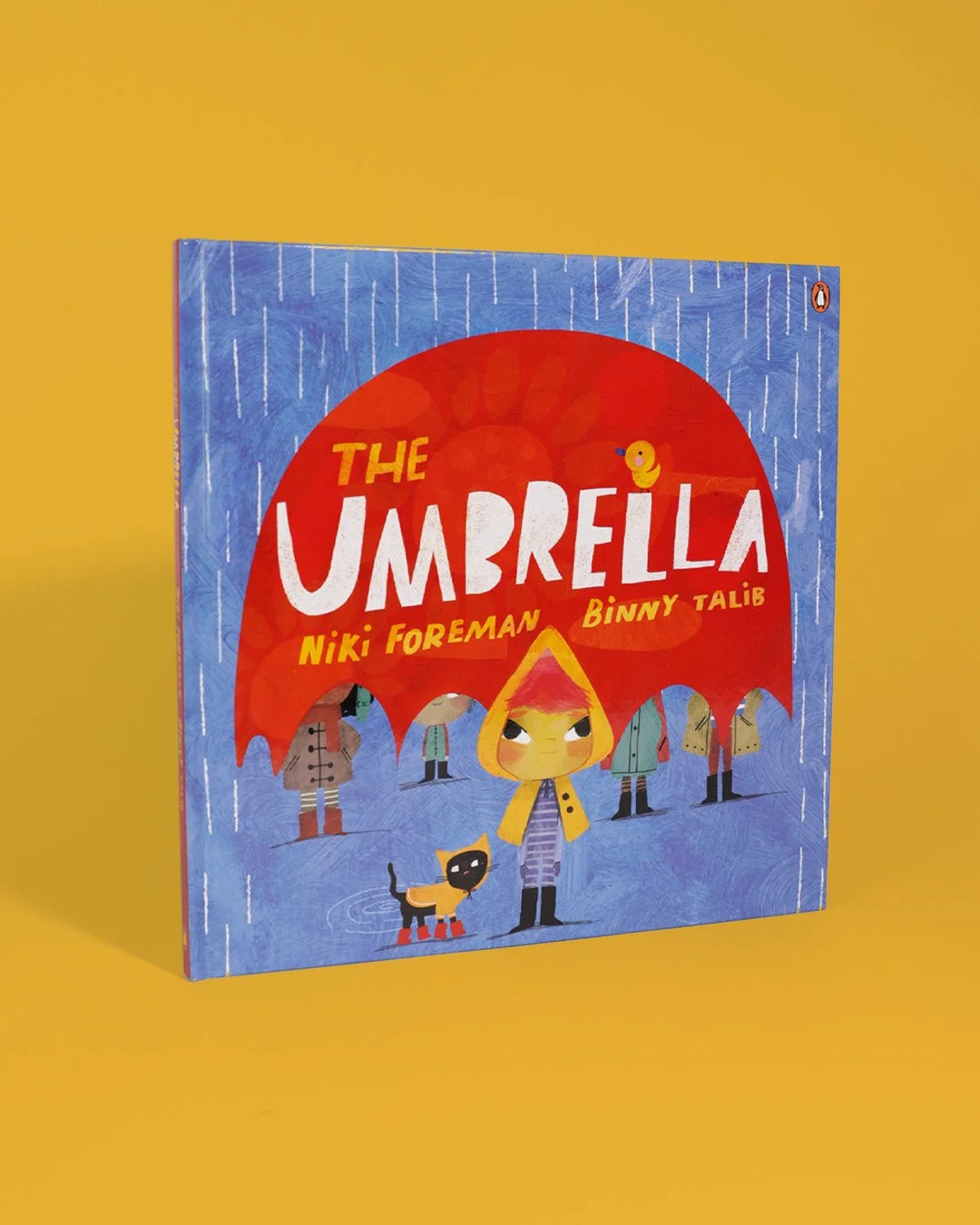
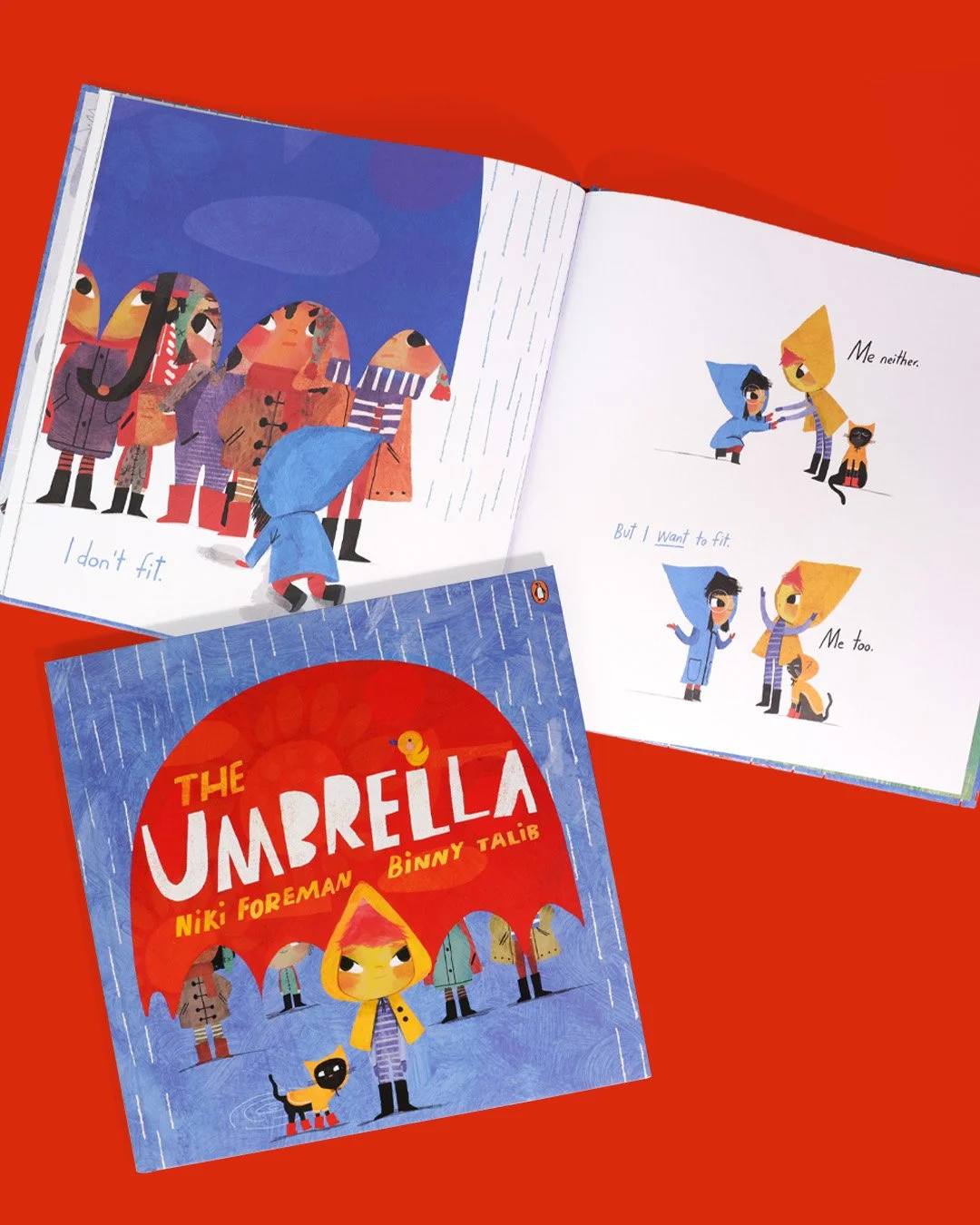
The Umbrella
For everyone who’s ever felt ‘I don’t fit’, this is for you.
I don't fit . . .
Do I need to fit?
I'd like to fit.
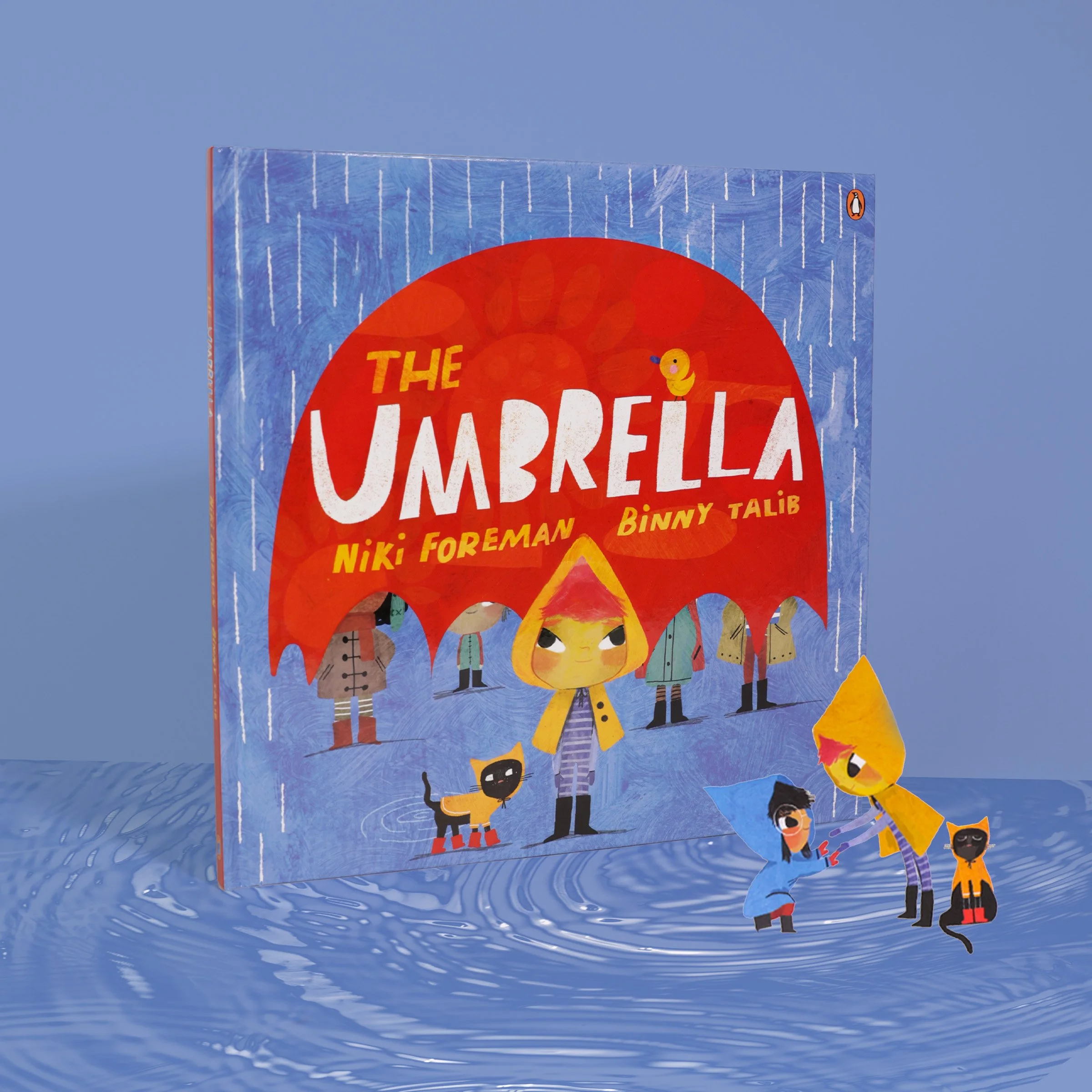
Not everyone finds their place under the same umbrella. So what happens when you want to fit, but can't?
From an author and parent with intimate experience of neurodivergence comes a story of one child's journey to find their place in the world.
“The world is a better place for having this book in it.”
Fleur Ferris, Award-winning & Bestselling Author
“When stories need to be in the world, you can feel it. It’s so so beautiful.”
Lisa Nicol, Australian Children's Author
Want a copy for yourself?
Looking for teachers’ resources?
Other books by Niki Foreman, published by DK
-
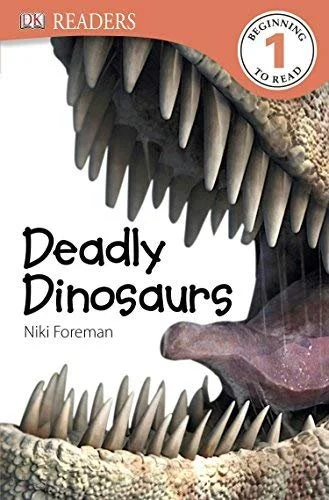
![Cover of the book Deadly Dinosaurs by Niki Foreman has an open mouth of a T-rex showing sharp pointy teeth and a tongue. The book border states: Dk Readers Level 1: Beginning to Read]()
Deadly Dinosaurs
-
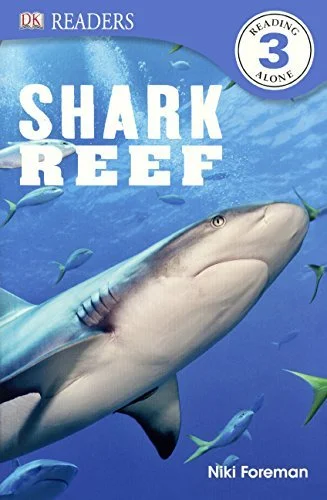
![Cover of book "Shark Reef" by Niki Foreman shows a Great White Shark front and centre swimming in the ocean with lots of fish around it. The book's border says: DK Readers Level 3: Reading Alone]()
Shark Reef
-
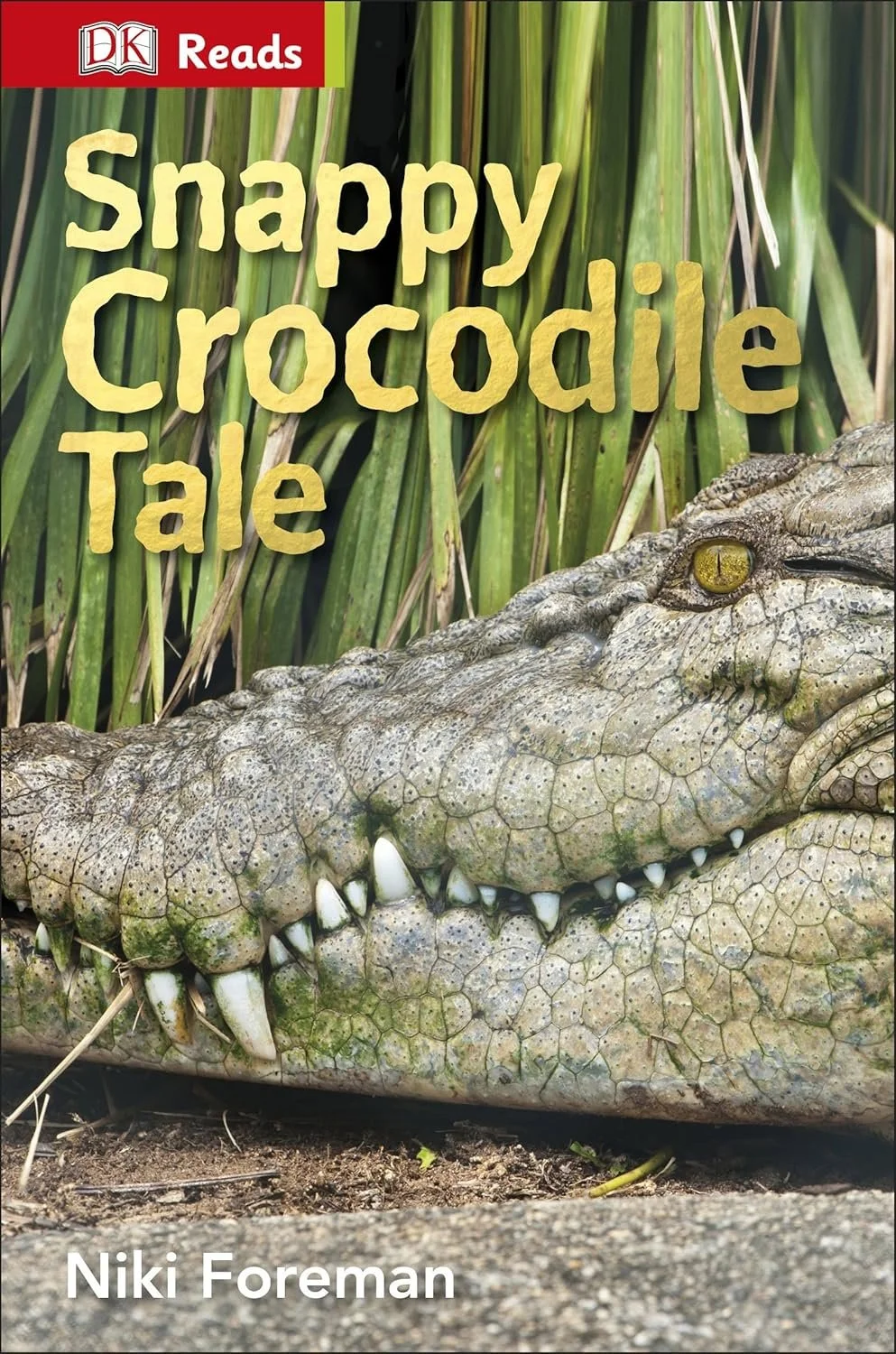
![Book cover for Snappy Crocodile Tale by Niki Foreman shows a close-up photo of a crocodile head side-on, with teeth sticking out from its jaw and a single eye. Grass blades form the background. A small red banner holds the words: DK Reads]()
Snappy Crocodile Tale
What readers are saying about ‘The Umbrella’
“Amidst the copious books about ‘fitting in’ and ‘being yourself’ Niki Foreman and Binny Talib have succeeded in creating a fresh take on the topic with their picture book, The Umbrella. Sweet and subtle, visually rich and minimally didactic, it carries a very clear message about inclusion and explores deeper ideas about how we see difference.
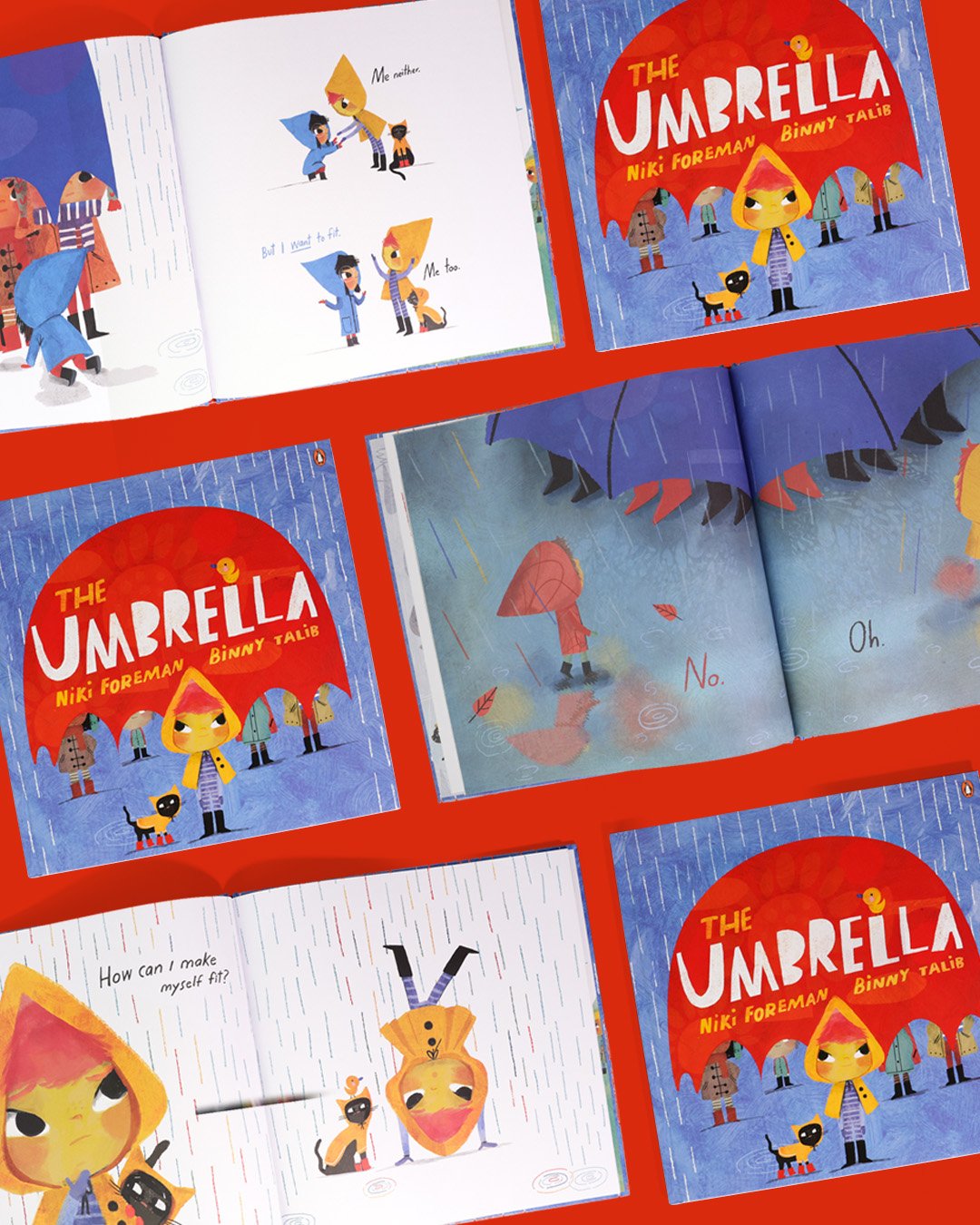
“I don’t fit,” says a child, standing in the rain observing a group of children under a huge umbrella. “How can I make myself fit?” they wonder, as they attempt to insert themselves via a handstand. It doesn’t work. The character has large headphones, which might be read as noise cancelling to assist neurodivergence, but the story is equally for any reader. “Do I need to fit?” they ask, and we now understand that the umbrella is a metaphor, and the character is negotiating one of the most pressing conundrums children (and adults) face in their social journey. Soon, the (unnamed, gender neutral) main character meets two other children who don’t fit. A solution is on offer! But these two get their own umbrella. “I don’t think it’s for me. But it was nice to meet you,” the protagonist says.
A stunning, warm colour palette and brilliant use of negative space highlight the characters’ relative exclusion and ‘otherness.’ Thanks to this rich visual storytelling, with very few words, the reader understands that exclusion is lonely, and that it can be really hard for some children to join a group. And simply connecting an isolated child with other similar children (as a caring teacher or parent might try) does not mean they will have anything in common. It takes time for someone to figure out where they fit.
The story does, of course, have a happy ending. The protagonist is approached by a new friend and they begin splashing in puddles together. As the sun comes out, the other children cautiously emerge from their umbrellas and look around. This is the key to the joyful conclusion of this story. The journey to inclusion is not about the main character having to change, nor the children being persuaded to include others despite their difference. Change comes when the children, previously huddled and shielded by the umbrella, are able to SEE others in a new (rainbow hued) light. Suddenly, getting to know diverse people seems appealing rather than a teaching moment. In this way, the book works as a simple story about making friends, and a much deeper exploration of bias, acceptance, and the complexities of the social world.”
Review by Lara Cain Gray; Storylinks
“The term umbrella can mean many things. Ostensibly, protection, shelter, inclusion, unification. All admirable qualities, ones that entice a visit within. Trouble is, not all umbrellas are of equal size. Not all possess the capacity to encompass those that perhaps are in greatest need of them. And yet, as is oft the shared human condition, we all at some point crave to fit under that mantel of shared connection – to fit in. And those that appreciate this inherent desire better than any other are children.
This is the core of Niki Foreman and Binny Talib’s stunning new creation; an exploration of a young person’s observation of their social standing, their subsequent efforts to change it and their eventual realisation of self.
Characterised by a non-gender specific child, the realities of not quite fitting under the umbrella is apparent from the get go. Our main character has but their robust raincoat and desire to join those comfortably already under the umbrella, noticeably without any other protective wear to shield them from external elements.
But there is little room left. No matter how differently they approach this dilemma the result is the same. Even when others, also stuck out in the rain appear, similarities aren’t always strong enough to make a perfect fit. Another's umbrella may not be your best option no matter who is underneath it.
Thankfully, rainbows often follow storms, which is where this episode of searching and loneliness eventuates. None of us can predict how long a downpour will last, but with the right protective gear and enough resolve to see you through, there is every chance you will find your fit. Or in this case, wait for others to eventually see and appreciate your true colours.
Deceptively simple in its narrative delivery, The Umbrella addresses many of the multiple complexities young children face every single day, whether in the playground, school yard or even home life. Need and want for sameness are constantly at odds with yearnings for unique independence. Unravelling the nuances of self-appreciation and acceptance for a young child especially one that falls under their own neurodivergent umbrella, is no straightforward task. The Umbrella does so eloquently without fuss or explicit direction, thus allowing youngsters to question and comment on each scene for themselves. A boon for deeper classroom discussion!
From endpaper to endpaper, Talib’s illustrations of wide-eyed beings each finding their own way through the emotional downpour inspire instant connection. Bright pencil drawn colours temper mood with just enough white space among the linear-shaped, rainbow-coloured raindrops to encourage room for reflective thought. I especially enjoyed the silent sub character of a macintosh-clad pussy cat.
The Umbrella works because it is extravagantly simple; an ideal mix of elegant, playful ambiguity and raw, detailed complexity that many from the age of four will find easy to appreciate.”
Review by Dimity Powell: Dim’s Write Stuff
Most of us at some point have heard a version of the phrase, ‘under the same umbrella’... a blanket term used to package a somewhat diverse group of people under one label. But what happens when a child doesn’t fit under this umbrella no matter how hard they try?
Author Niki Foreman has used her parental experience with neurodivergence to write Umbrella, the story of a child trying to find their place in the world. Written as a conversation, it begins with the main character asking herself questions like ‘How can I make myself fit?’ and ‘Do I need to fit?’ The story takes a turn when a new friend says, ‘I’d like to fit too!’ Together they continue on wondering if they will ever find a way to belong. Maybe they just need to get their own umbrella.
With just over 100 words, Niki has left plenty of room for the illustrations to work their magic. The fact that ‘umbrella’ does not appear anywhere in the text besides the title, yet is a prominent feature throughout the book's illustrations is a perfect example of 'show don’t tell'.
Illustrator Binny Talib has expertly added to the storytelling, using her unique style and bold use of colour to create something truly wonderful. The emotion can be felt on every page - from a visual representation of overwhelming noise to the sadness of being left out of a group picnic. Her addition of a gumboot wearing cat is a touch of joy that every child will love.
An often-overlooked part of the picture book - but a personal love of mine - are the end papers. Binny has not failed to deliver here, either. She begins with an image full of sad faces and muted colours, and ends with a literal rainbow of happiness... the perfect reflection of the story held within.
Although written for the neuro sparklers amongst us, Umbrella is the perfect picture book for anyone who has ever felt they don’t fit in. It asks the questions that we have all asked ourselves and shows us that we just need someone to say 'I see you'.”
Review by Suzanne Houghton: Kids’ Book Review
MORE REVIEWS